A new book written by Royal Holloway Professor Hanna Zagefka aims to help doctoral students overcome hurdles of securing and succeeding in a PhD programme
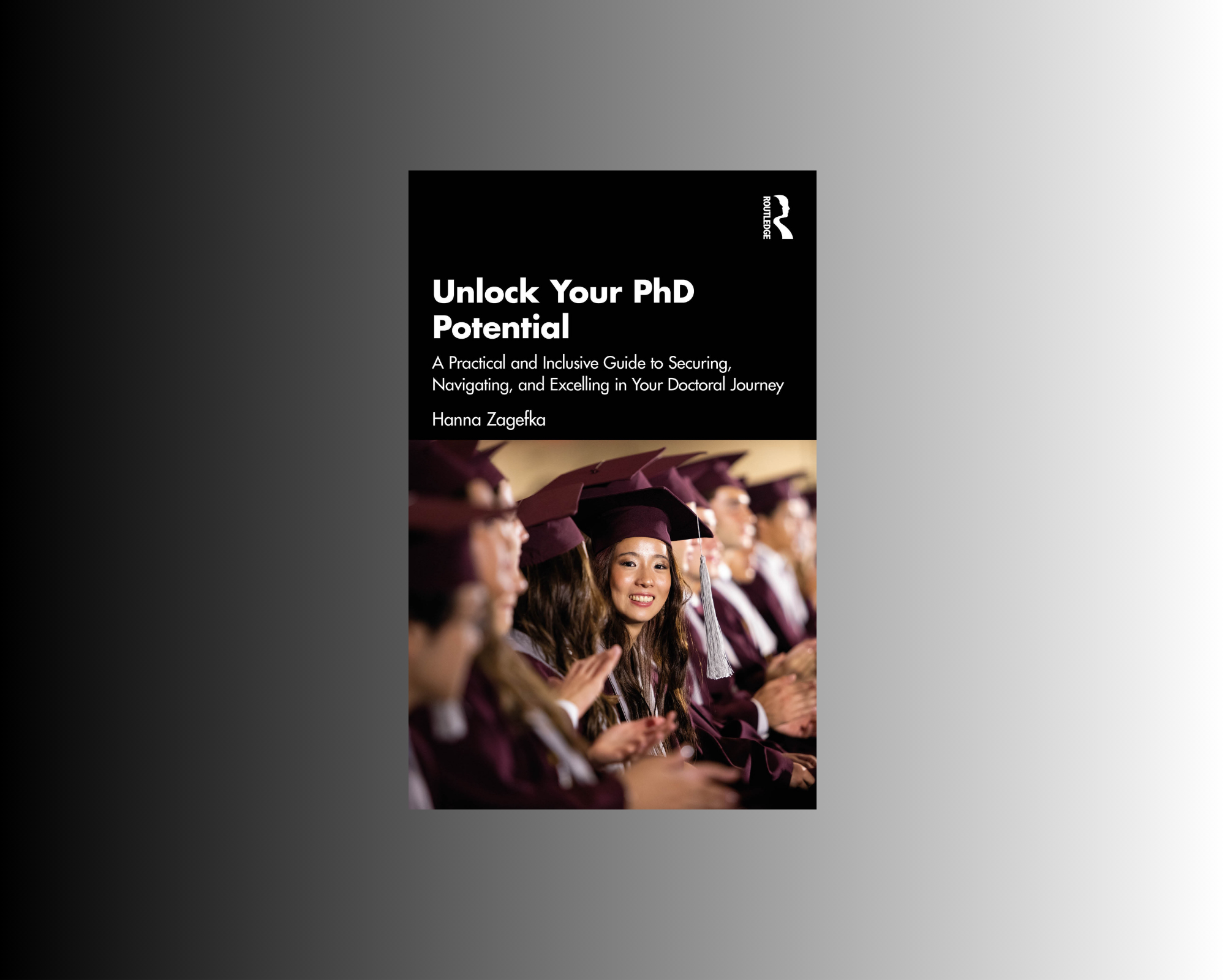
Unlock Your PhD Potential demystifies the doctoral journey, offering step-by-step advice on navigating applications, funding, and the challenges of academic life, all while prioritising equity, diversity, inclusion, and mental well-being.
As an expert in psychology, Professor Zagefka empowers readers to approach their doctorate with confidence and resilience, highlighting how successfully navigating human relationships is central to PhD success.
Packed with actionable insights, the guide covers everything from choosing the right supervisor and managing work-life balance to combating procrastination and imposter syndrome.
Drawing on decades of experience mentoring students from diverse backgrounds, as well as on her research expertise in the psychology of discrimination and structural barriers, Professor Zagefka combines academic expertise with practical, real-world advice.
Whether students are preparing to apply or are already deep into their doctoral studies, this book offers essential strategies for excelling at every stage.
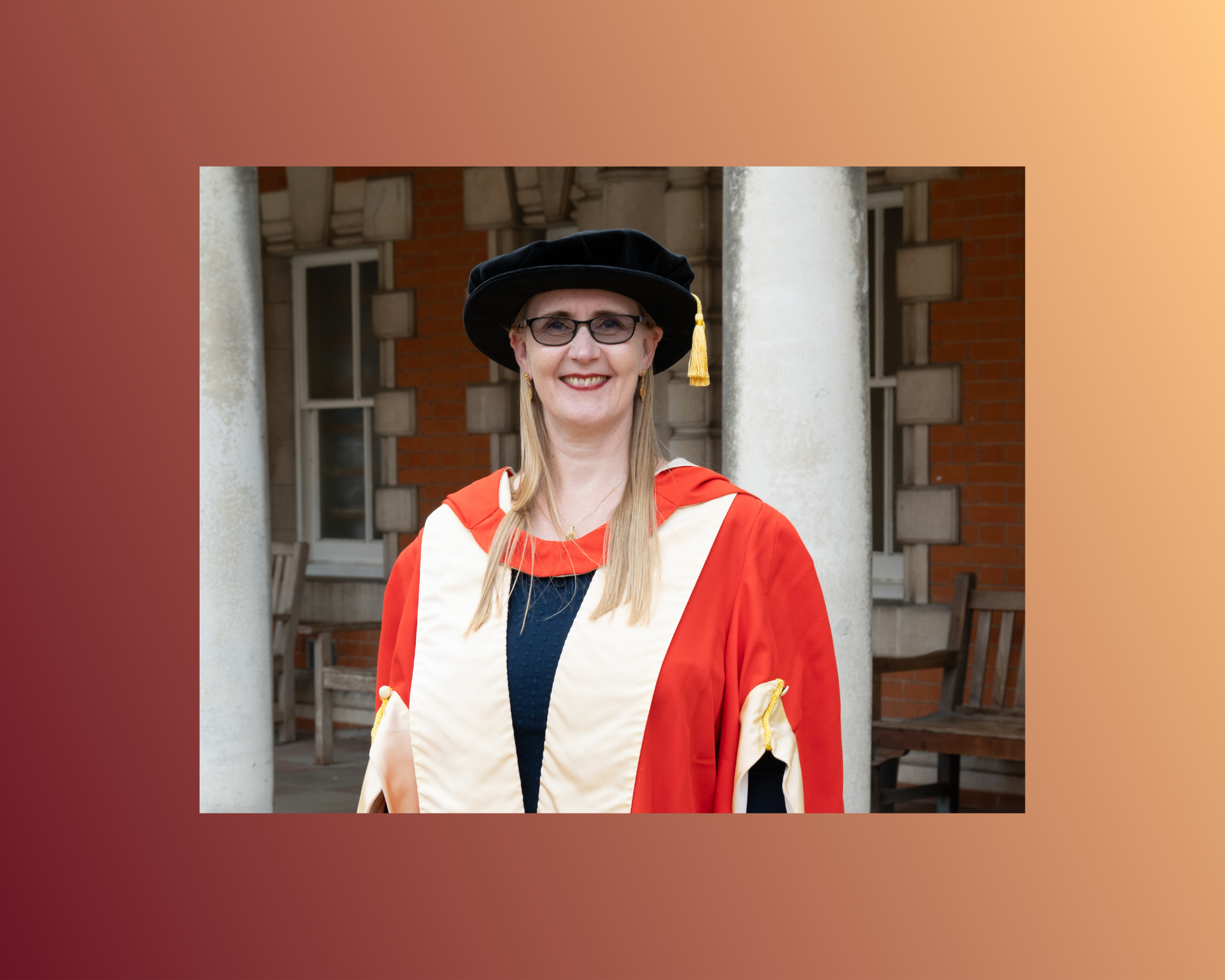
Professor Hanna Zagefka, Dean of the Faculty of Science, said: “I wrote Unlock Your PhD Potential to help make doctoral study more accessible, especially for international students and others who may not see themselves reflected in academia.
“My hope is that this book provides practical guidance, builds confidence, and helps readers navigate both the challenges and joys of PhD study with resilience and a sense of belonging.
“Ultimately, it is about empowering people to realise their potential and contributing to a fairer world where access to doctoral education is not limited by background or circumstance.
“I also hope the book reflects our open, inclusive, and globally minded community at Royal Holloway, where we are committed to helping talented students from around the world feel welcome, supported, and empowered to achieve their ambitions.”
The book is ideal for prospective and current PhD students in the UK and beyond, including international applicants and those from traditionally underrepresented backgrounds.
Academic advisors and supervisors will also find it an invaluable resource for supporting doctoral researchers. With its accessible language and expert insight, it is a roadmap to academic success.