For Royal Holloway alumna Nompumelelo Ncube 'Nom' (MA Public History 2023), the path from graduation to creative practice has been shaped not by strategy, but by the encouragement of others and a deep conviction that the stories history has overlooked deserve to be told. As the founder of Mabuza Studio, she is building an Afrocentric documentary practice that centres Black communities, past and present.
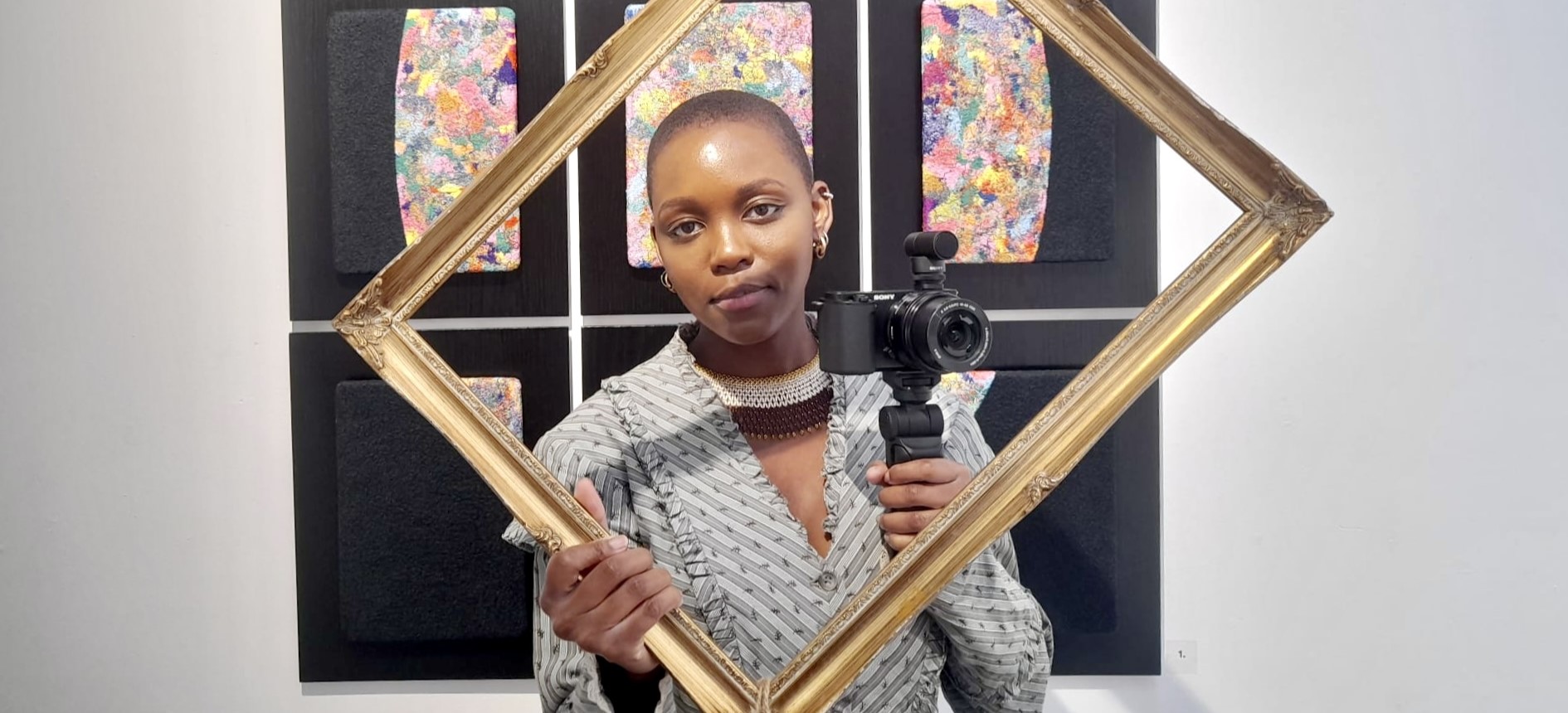
Finding her voice through history
Nom was drawn to Royal Holloway's MA Public History by two modules: Oral History and Communicating Histories.
"I remember sitting with those ideas and realising that how we remember historical events is a story in itself."
What began as curiosity quickly became conviction.
"The theories around narrating histories are now what most inform my practice, archives have become central to my work, particularly in thinking about how to marry indigenous knowledge production with creativity."
The academics she encountered encouraged her to lean into her perspective as a Black British Zimbabwean Ndebele woman, a voice that sits squarely in the tradition of Royal Holloway's founding belief that women's perspectives deserve to be heard, studied, and celebrated.
From archive to studio
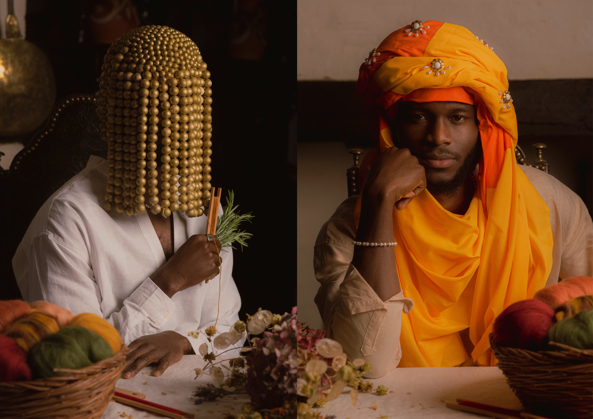
After graduating, Nom worked with archival collections before founding Mabuza Studio, documenting Africans and their diaspora communities. The Studio creates portraits, photo essays, moving stills, audio projects and public programming that centre intersectional narratives, challenging how Blackness is represented whilst celebrating the profound diversity within Black communities.
"Blending journalism and history means I get to challenge the single-story narratives that homogenise African identities - for me, you cannot do one without the other."
Recognised on the BBC Radio 'Ones to Watch Gifted and Black' list in 2021 and a member of Black Women Photographers International, her work has reached audiences across the UK and beyond.
"At its heart, the studio is about centring intersectional narratives and celebrating the profound diversity within Black communities. We champion a world where many worlds fit - amplifying past and present truths to deepen our collective understanding of Black experiences."
Love, archives, and the enduring matriarch
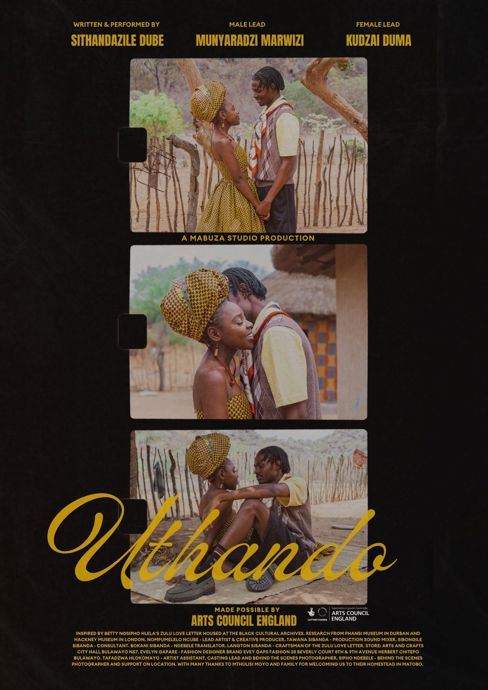
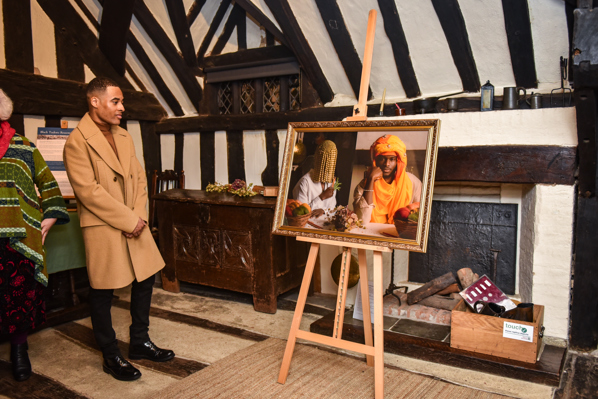
One of the studio's most striking projects is Uthando, a short film and photography series inspired by a Zulu love letter housed at Black Cultural Archives.
"The beaded letter revealed more than craft; it revealed choice, agency, and a quiet power exercised in the margins."
Throughout the project, which spans spoken word, a photobook, and documentary footage of a Ndebele lobola ceremony, one presence kept returning: "What stands out to me, across both the archive and the ceremony, is the enduring presence of the matriarch in love."
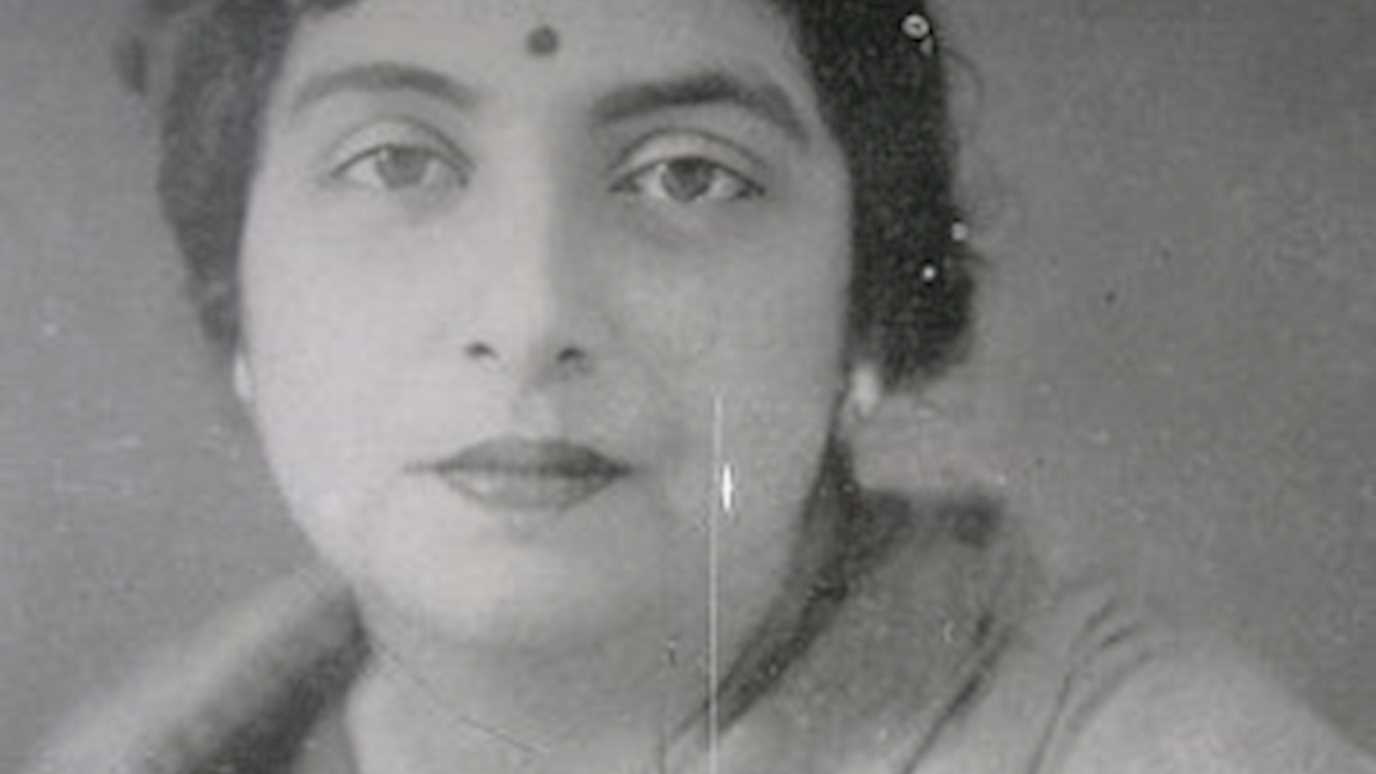
Her greatest personal inspiration is her grandmother, Sibongile Sibanda. "Her enthusiasm and knowledge of our culture is remarkable, and her creativity has shaped my mother, who in turn shaped me. I come from a family of creatives; storytelling is part of the package."
Women lifting women
That matriarchal thread runs through everything Nom does and it shapes how she sees her own role in the wider landscape of Black creative and historical work. She credits Gabriella Gay, co-founder of Kwanzaa Collective UK, as the woman who first brought her into this space. Now, she is determined to do the same for others.
"Lifting as we climb. I got here because another Black woman also lifted as she climbed and brought me with her. Now it is my turn to bring others with me."
Explore Nom's work at mabuzastudio.com or follow her on Instagram.