Ancient philosophy isn’t usually associated with prison wings or high-level corporations, yet Stoicism, once practised by the ancient Greeks, is quietly reshaping lives across the globe.
Stoicism isn’t just something to talk about in the classroom - it’s something people can put into practice in their everyday lives.
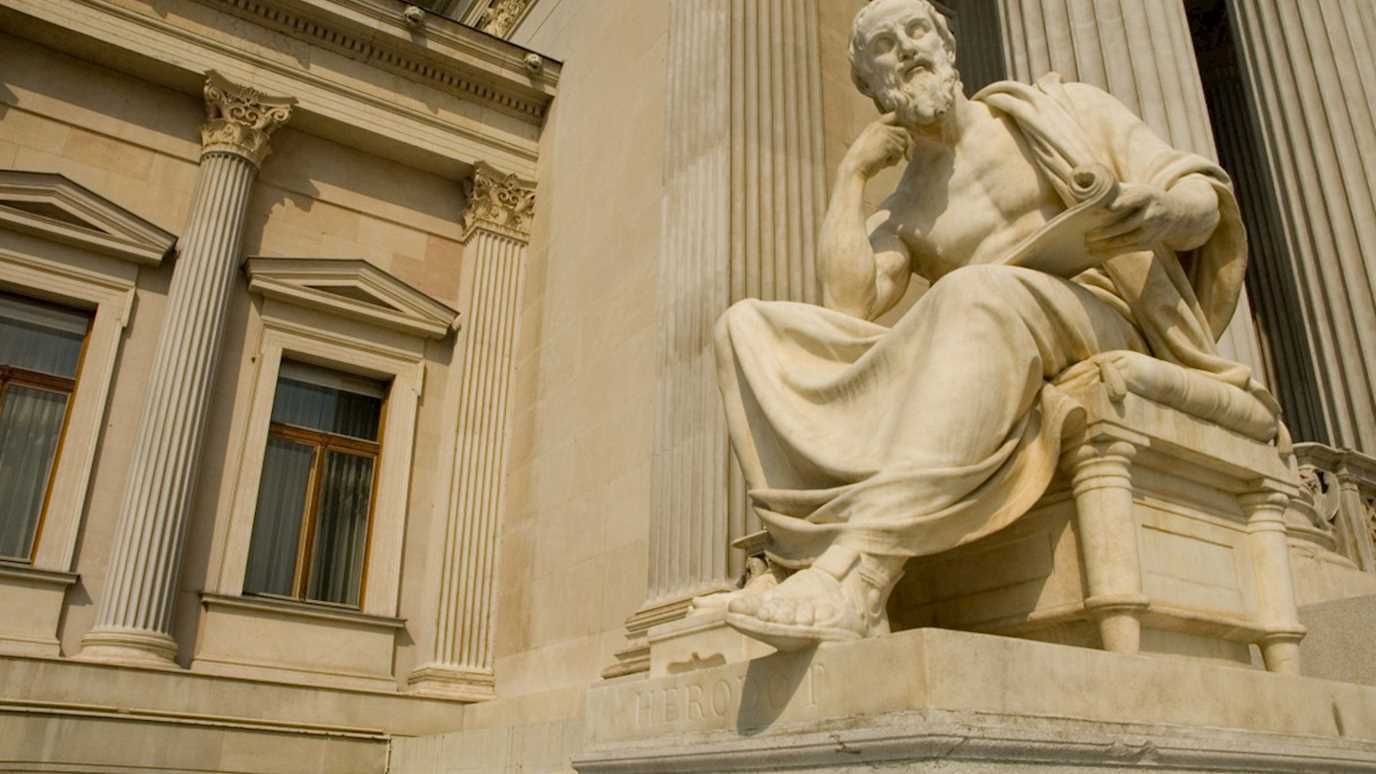
Stoicism is a school of ancient philosophy that flourished in Greece and Rome for some five hundred years. The ancient Stoics developed a comprehensive philosophical system comprising logic, physics, and ethics. The central idea is that in order to live a good life we must develop a character shaped by the virtues of wisdom, moderation, courage, and justice. This is something completely within our control and can be achieved no matter what the circumstances.
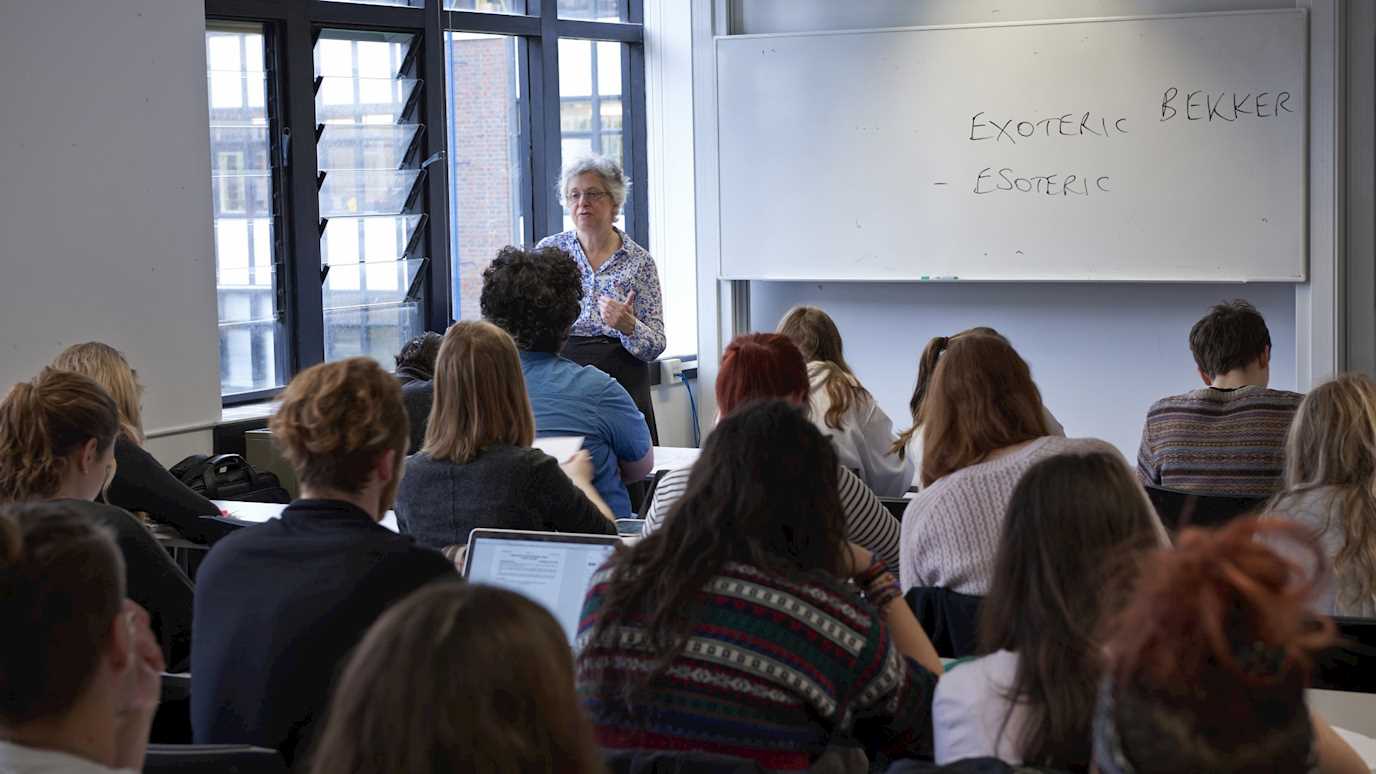
At Royal Holloway, Dr John Sellars’ research is proving that ancient wisdom still has the power to transform how we think, feel and behave. And he’s using it in communities where emotional tools, resilience and ethical reflection are needed most.
Changing lives behind bars
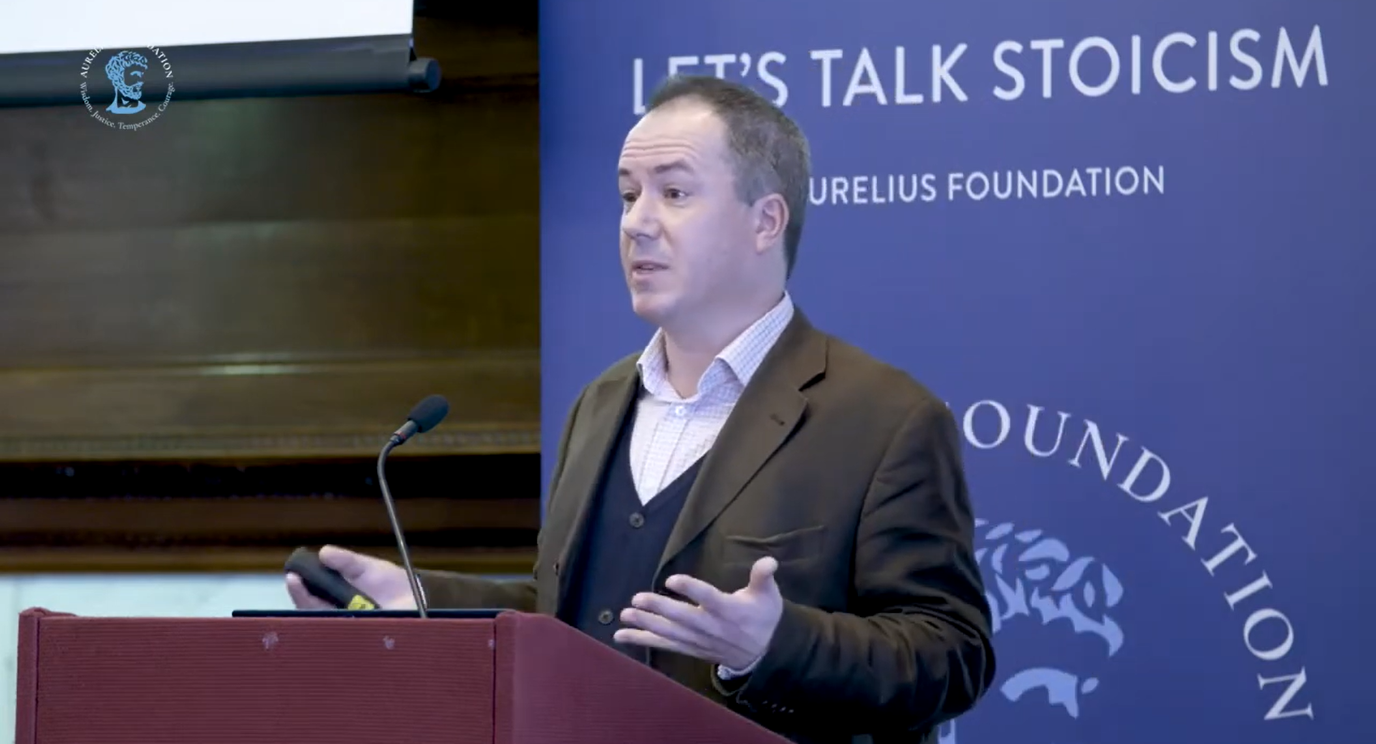
Dr Sellars supports a prison rehabilitation programme based on Stoicism in collaboration with a prison worker and in partnership with the Aurelius Foundation.
Together, they developed a course based on Stoic ideas: distinguishing what we can and cannot control, managing emotional responses and reframing difficult circumstances. For prisoners who are often confined to their cell for 23 hours a day, these tools provide structure and direction for the intense reflection that imprisonment brings.
“A philosophy class is the perfect way to provide structure for the reflection that prisoners are already doing,” he explains. “We’ve had testimonials from people saying it was a real gamechanger for them.”
What started in a single prison has now expanded to around a dozen prisons across the UK, with staff nationwide trained to deliver the programme. Participants have ranged from young men seeking a fresh start to high profile individuals, including Boris Becker, who has publicly praised the course for helping him navigate his sentence and sustain Stoic practices after release.
For many prisoners, Stoicism becomes a structure for the reflection they’re already forced to do.

A framework for young minds
Stoicism has also found a natural audience in schools, where Dr Sellars has spoken to students grappling with pressure, identity and heightened emotion.
The philosophy resonates with young people for different reasons. Some discover they have intuitively lived in line with Stoic principles, who might use the phrase “Stoic, but didn’t know it.” Then there are those on the opposite side of the scale, who have difficulty with their emotions and get angry quickly; interestingly they are often the ones who find Stoic reflections especially powerful.
Ultimately, what we’re trying to think about is how to live a good, happy life,” Dr Sellars says. “And that’s relevant to absolutely everybody.
Stoic leadership in the boardroom
At the other end of the social spectrum, Stoicism is reshaping leadership practices. Through the Aurelius Foundation, Dr Sellars works with CEOs and senior business leaders looking for clarity, resilience, and ethical grounding in high pressure roles. In his Stoic leadership retreats across Europe, executives learn to understand their responsibilities as leaders and their limits of control, while exploring how to build inclusive and ethical organisations.
“For many, there is a realisation that being “in charge” doesn’t always mean being in control,” Dr Sellars explains. “There are shifts in global financial markets, government legislation changes and employees can be a law unto themselves. We provide guidance and talk about Stoic ideas that can help navigate stressful situations.”
This work has been embraced by major international networks. The global business leadership organisation YPO invited Dr Sellars and the Aurelius Foundation to run two large events in Athens, each attracting around 80 business leaders from across the world. Both events received some of the highest feedback ratings ever awarded to this type of event.
Even CEOs have to face the limits of what they can control.
The insights gathered from this work now appear in Dr Sellars’ recently published book, The Stoic Leader, co-authored with Justin Stead, founder of the Aurelius Foundation to bring Stoic wisdom directly to contemporary management.
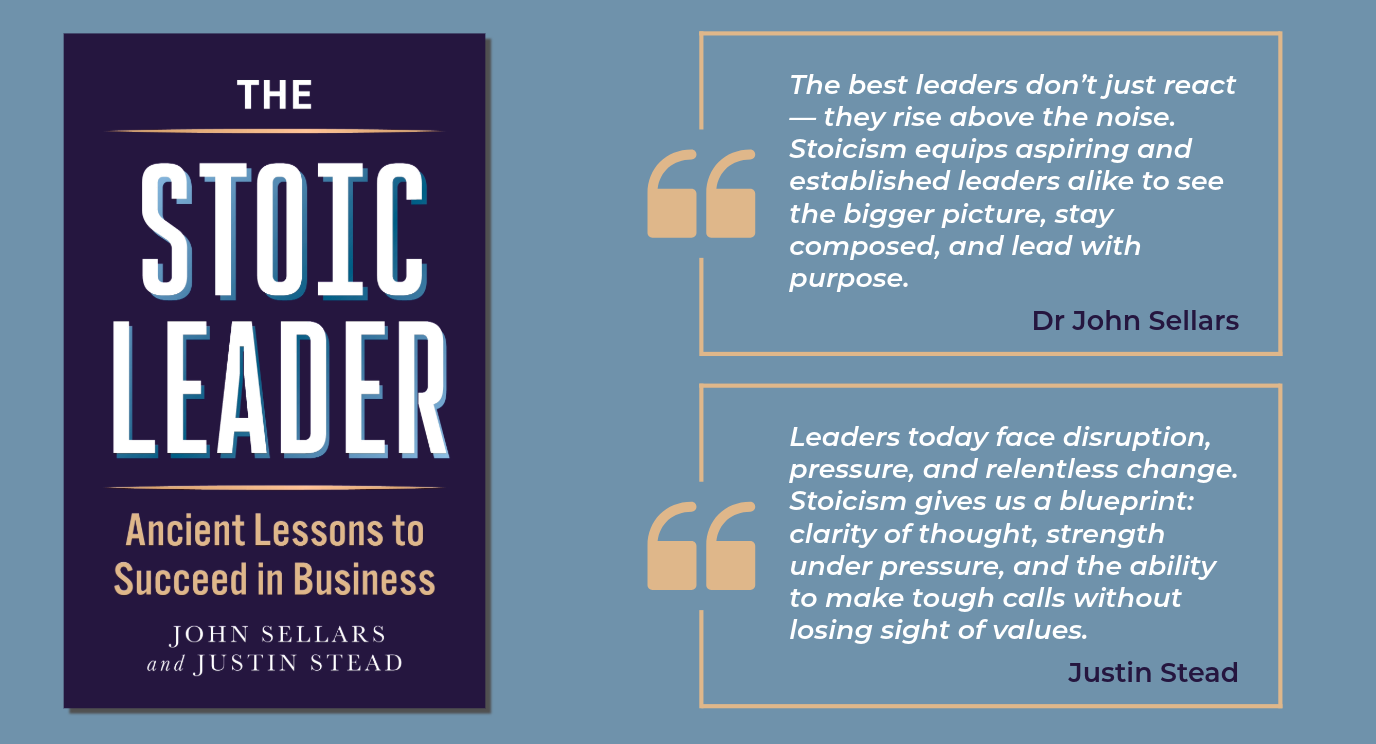
The Stoic Leader book and quotes
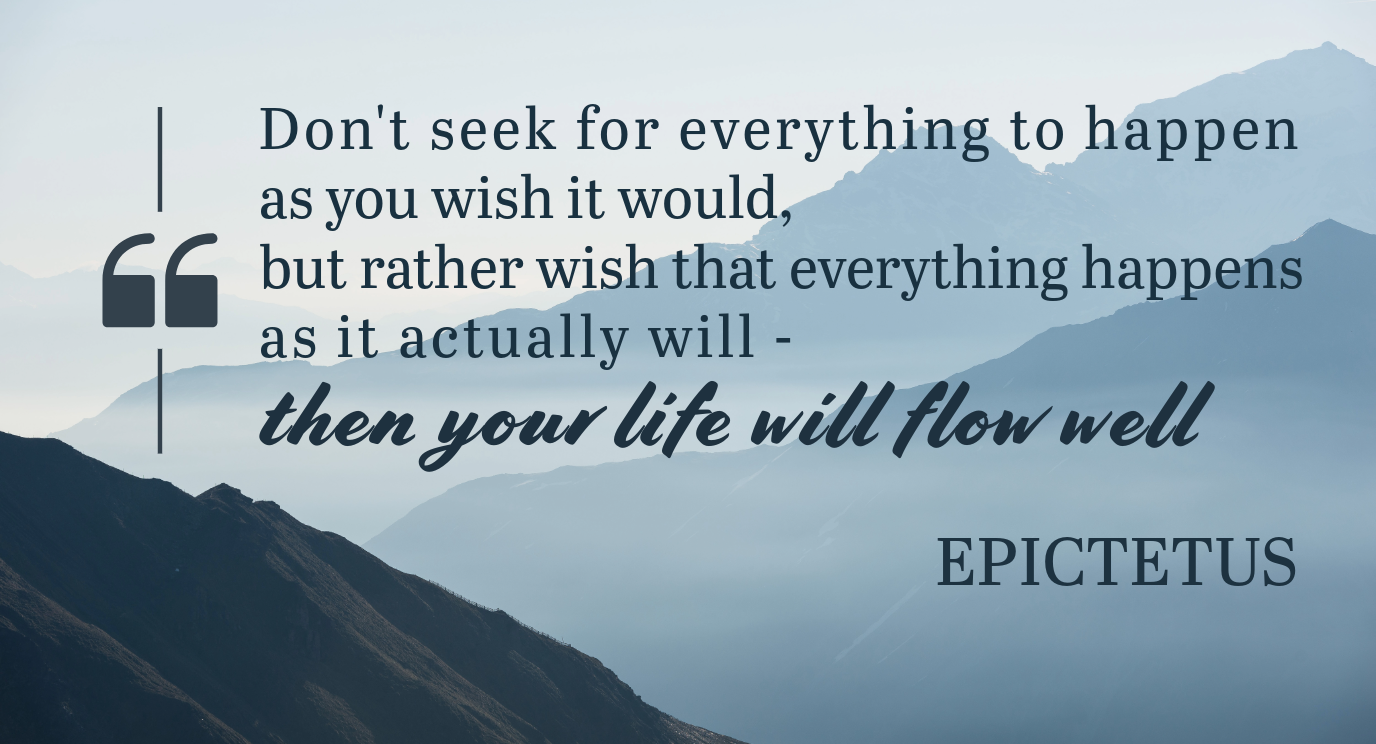
Modern Stoicism
For more than a decade, Dr Sellars has been involved in an organisation called Modern Stoicism. This nonprofit company runs Stoic Week, a global online experiment to see if people can benefit from following the ancient philosophy of Stoicism. Since 2012, almost 40,000 people have taken part and the results have been consistently positive, reporting reductions in negative emotions and boosts in wellbeing – people do benefit from ‘living like a Stoic’.
“There doesn’t seem to be any limits. Whether people are young or old, whatever their educational background or religious beliefs, we see them connect with these Stoic ideas.
Why live like a Stoic?
Dr Sellars’ collaborations with psychologists at Royal Holloway and beyond demonstrate that Stoic practice works. Studies have shown that adopting Stoic techniques:
- reduce negative emotions,
- increase life satisfaction, and
- does not suppress emotions, despite common misconceptions.
In fact, the research clearly distinguishes philosophical Stoicism from the ‘stiff upper lip’ approach, demonstrating that the two are polar opposites and negatively correlate with one another. When practised as intended, Stoicism encourages emotional understanding and positive outcomes.
By reflecting on what we can and can’t control, the Stoics show that while little in life is truly within our power, our thoughts and emotions are. Taking control of these gives people a strong sense of freedom and autonomy, which many find deeply empowering.
Return to our Research in Focus page to uncover more exciting research happening at Royal Holloway, University of London.
Research in focus