Artificial Intelligence (AI) is no longer a futuristic concept - it’s woven into the fabric of our daily lives, often invisibly. From the predictive text on your smartphone to the algorithms behind your favourite streaming service, AI is everywhere. But how do we ensure this powerful technology serves society in an inclusive and ethical way?
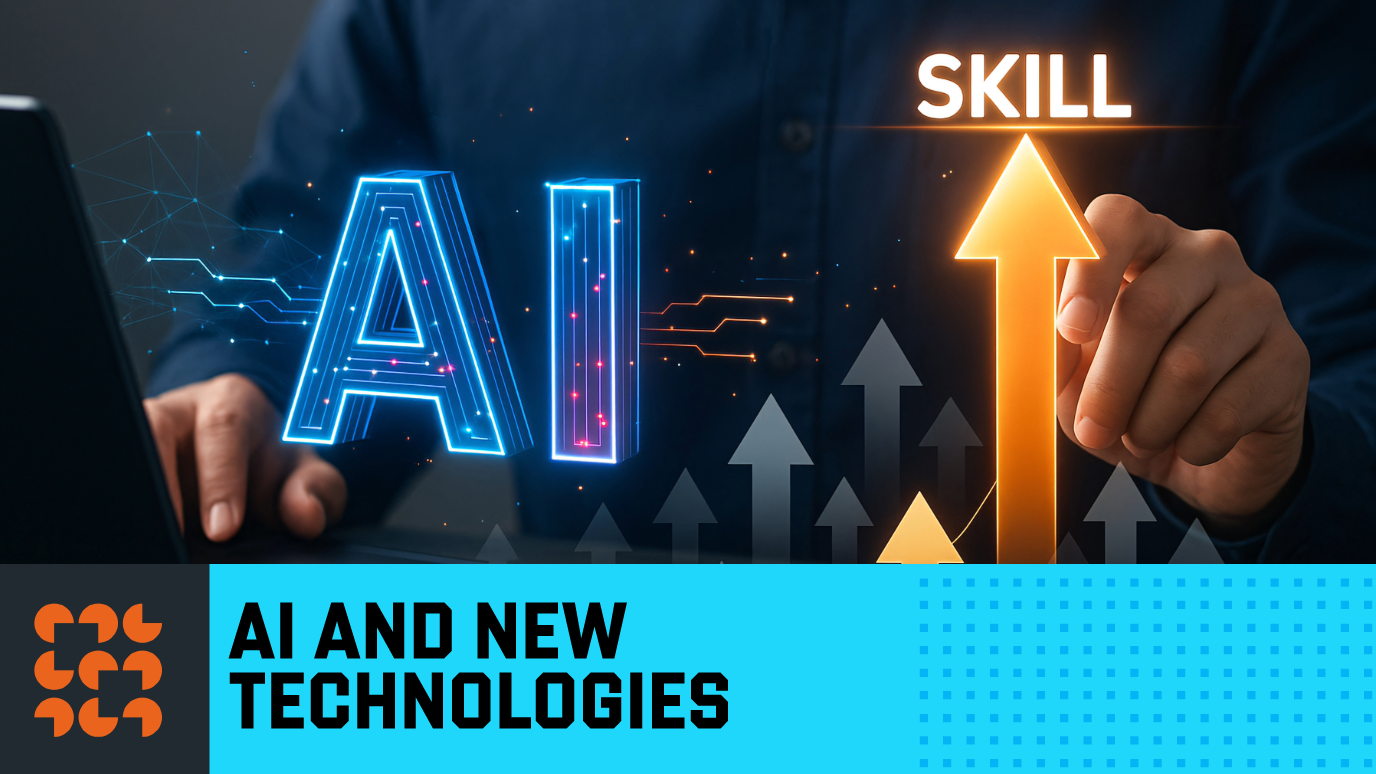
What does it take to make AI work for society?
That’s the question driving Dr Nisreen Ameen, Director of the Digital Organisation and Society Research Centre at Royal Holloway. Since joining the University in 2019, Dr Ameen has been at the forefront of research that bridges technology and social purpose. Her work goes beyond academic publications, to working with key stakeholders, engaging with policymakers, employers and community organisations to shape how AI is adopted across the UK.

“At the heart of my research is the idea of human-centred technology - inclusivity by design,” Dr Ameen explains. “We need to ensure that technology isn’t just used, but it’s used in a more inclusive way that benefits everyone.”
This principle aligns closely with Royal Holloway’s RH2030s strategy, which emphasises social purpose as a core value.
Over the past six years, Dr Ameen has collaborated with more than 50 companies worldwide, including major players like Roche and Vodafone. A recent project was the AI Confidence Quiz, launched nationally with Vodafone in collaboration with the Good Things Foundation. Millions of people in the UK participated in the quiz, where they attempted to distinguish between two images of Big Ben – one AI generated and the other created by an artist. The results revealed fascinating insights - not least that Sheffield emerged as the UK’s most AI-savvy city. As technology advances the digital divide grows, and those without internet access or basic digital skills risk being left behind.
| “This wasn’t just a fun quiz,” says Dr Ameen. “It highlighted regional differences in AI confidence and underscored the importance of addressing that digital divide.” |
Why AI leadership matters
The UK government has set an ambitious goal: to become a global leader in AI. But what does that really mean? According to Dr Ameen, it’s about using technology in the best way possible to boost the economy, create new jobs and promote social inclusion.
“AI has the potential to boost the UK economy by £400 billion, but leadership in AI requires a clear plan for upskilling,” says Dr Ameen. This was clearly stated in the AI Opportunities Action Plan published by the UK Government in January 2025 with the 50 recommendations in terms of AI skills.
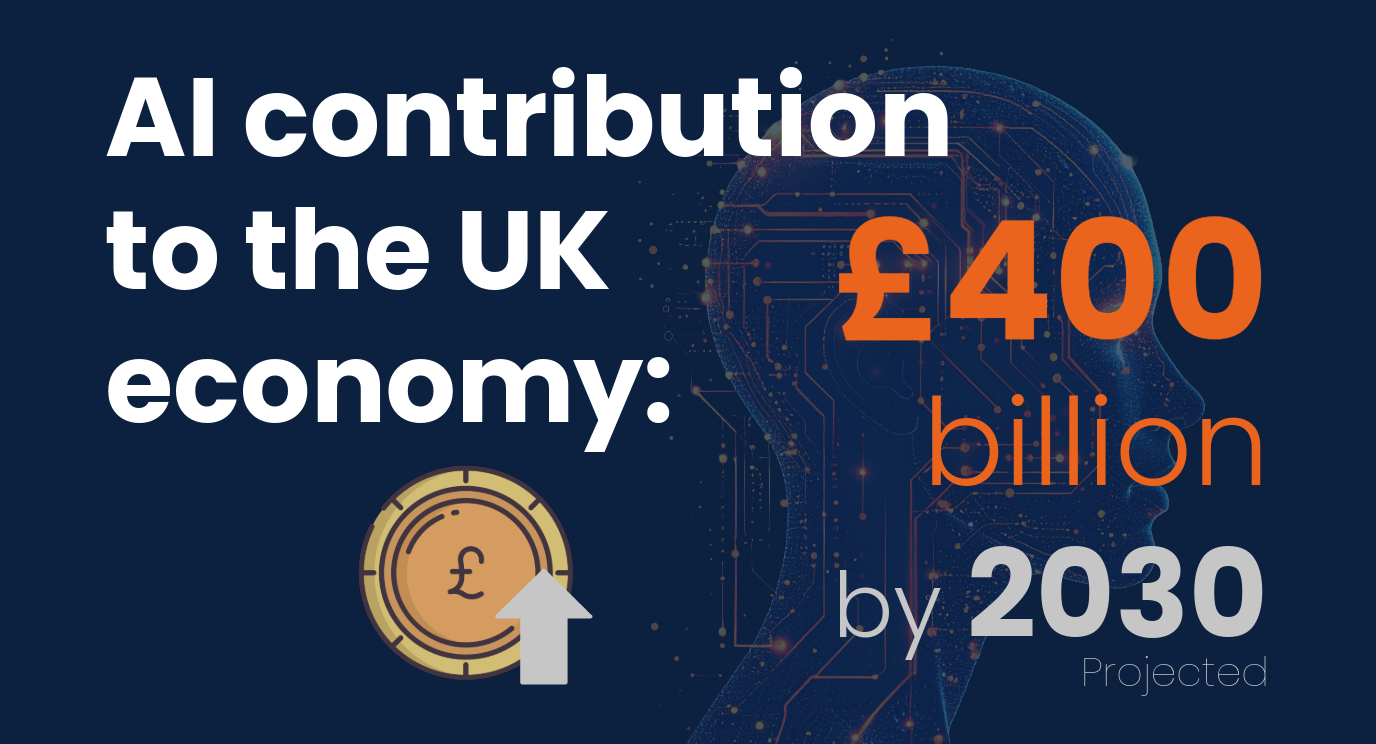
AI contribution to the UK economy
Taken from the AI for social purpose report created by: DOS Research Centre at Royal Holloway University of London
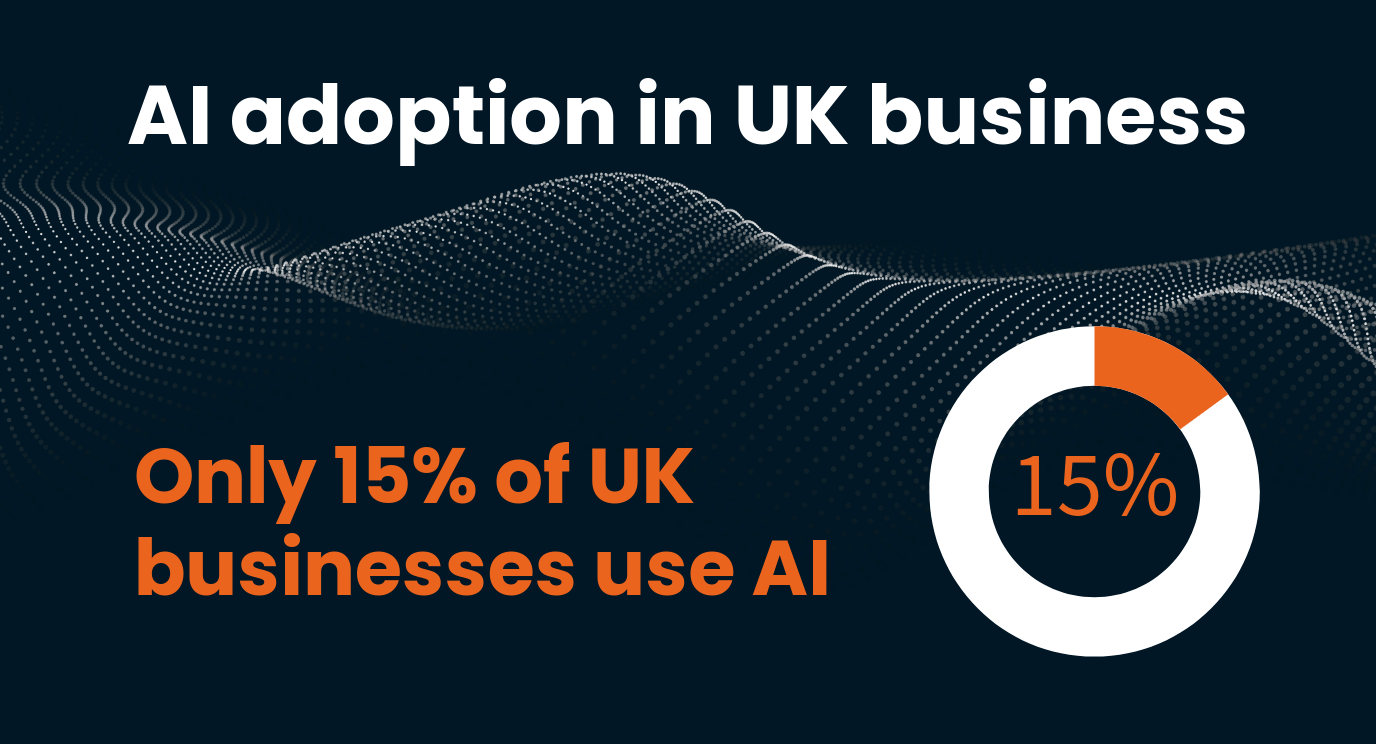
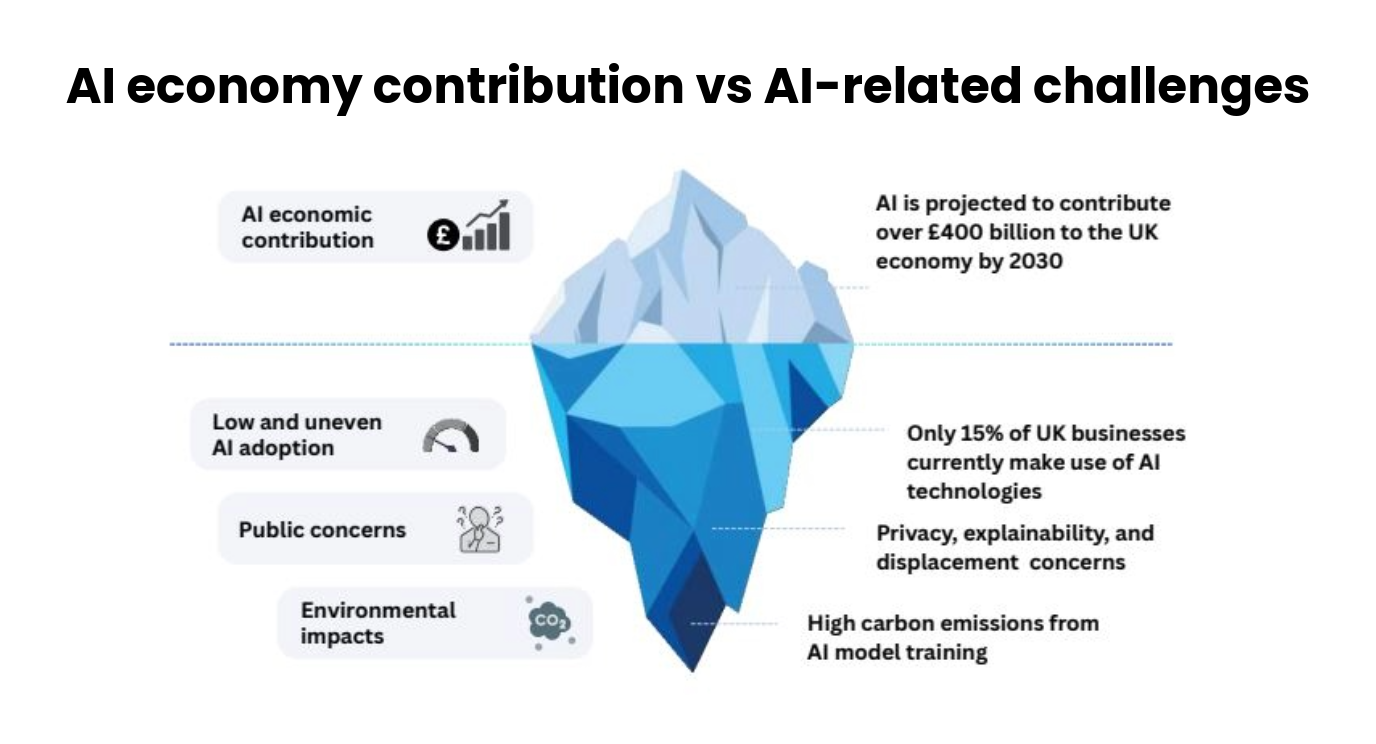
Dr Ameen recently developed one of the UK most comprehensive national reports on AI skills to date. The report highlights the challenges facing employers and introduces three new AI upskilling tools to help organisations adopt AI more confidently and responsibly.
A key challenge was defining what is meant by an ‘AI skill’. Through extensive focus groups and workshops, Dr Ameen’s team developed a framework that distinguishes AI skills from general digital skills - a crucial step for employers, educators, and policymakers.
“AI can improve people’s lives. We need to stop being afraid of the technology and realise that at the end of the day it’s just a tool,” says Dr Ameen “Our job is to help people understand how to work with AI and appreciate its role and value.”
Education and the skills gap
Royal Holloway is already offering some AI-focused courses, but Dr Ameen stresses that AI education must go beyond standalone degrees.
“AI shouldn’t be taught in isolation," Dr Ameen states. "If you’re studying healthcare, you need to learn how AI applies to healthcare. The same goes for construction, finance, and other sectors.”
Her research identifies three main training environments: formal education, employer-led training, and informal community learning. Each faces unique challenges, from fragmented delivery to uncertainty about costs and providers. The solution? Greater collaboration among universities, employers, and policymakers.
| “We need an ecosystem where stakeholders work together and we need to listen to employers,” says Dr Ameen. “That’s how we ensure graduates are truly ready for the workplace.” |
Royal Holloway's role as an AI leader
Dr Ameen believes Royal Holloway is well-positioned to become a centre of excellence in AI. Having already hosted national events on AI for social purpose, Dr Ameen is now developing a national AI skills toolkit - a free training tool for employers and individuals. This toolkit will include case studies, training materials, and self-assessment quizzes, making AI knowledge accessible to SMEs and young people alike.
Impact beyond academia
The impact of Dr Ameen’s work is evident. Her frameworks and tools are being used by businesses and featured on government platforms. Feedback from SMEs has been overwhelmingly positive, with many reporting that the resources helped them understand AI adoption and upskilling.
“For me, the most exciting impact is hearing from employers and training providers who have used these tools to make beneficial and tangible changes in the way they work,” she reflects. “That’s when you know your research is making a real difference.”
The future of AI
AI is everywhere and developing quickly. As technology advances there is always a risk of misuse through enhanced cyberattacks, misinformation and manipulation and less inclusivity. To address these issues organisations and governments already use dynamic risk management frameworks, regularly updated to ensure AI is developed and used safely and ethically with technological progress.
Dr Ameen leaves us with five key messages:
|
Discover more from our academics:
Return to our Research in Focus page to uncover more exciting research happening at Royal Holloway, University of London.
Research in focus