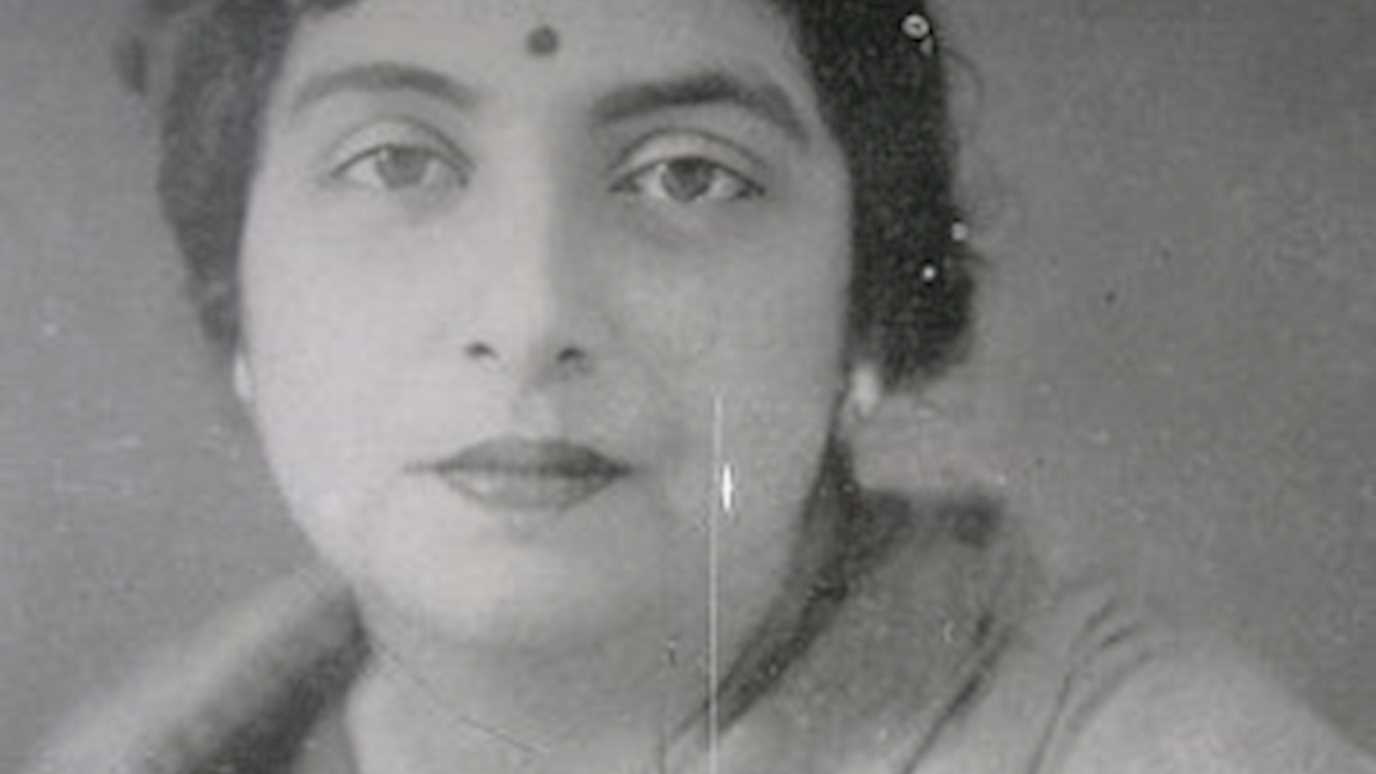
Victoria Mapplebeck's documentary Motherboard provides an intimate look at parenthood, childhood, and her experiences as a survivor of breast cancer. Now, Victoria hopes that by sharing her story and working with cancer support charities, she can help other people going through similar experiences.
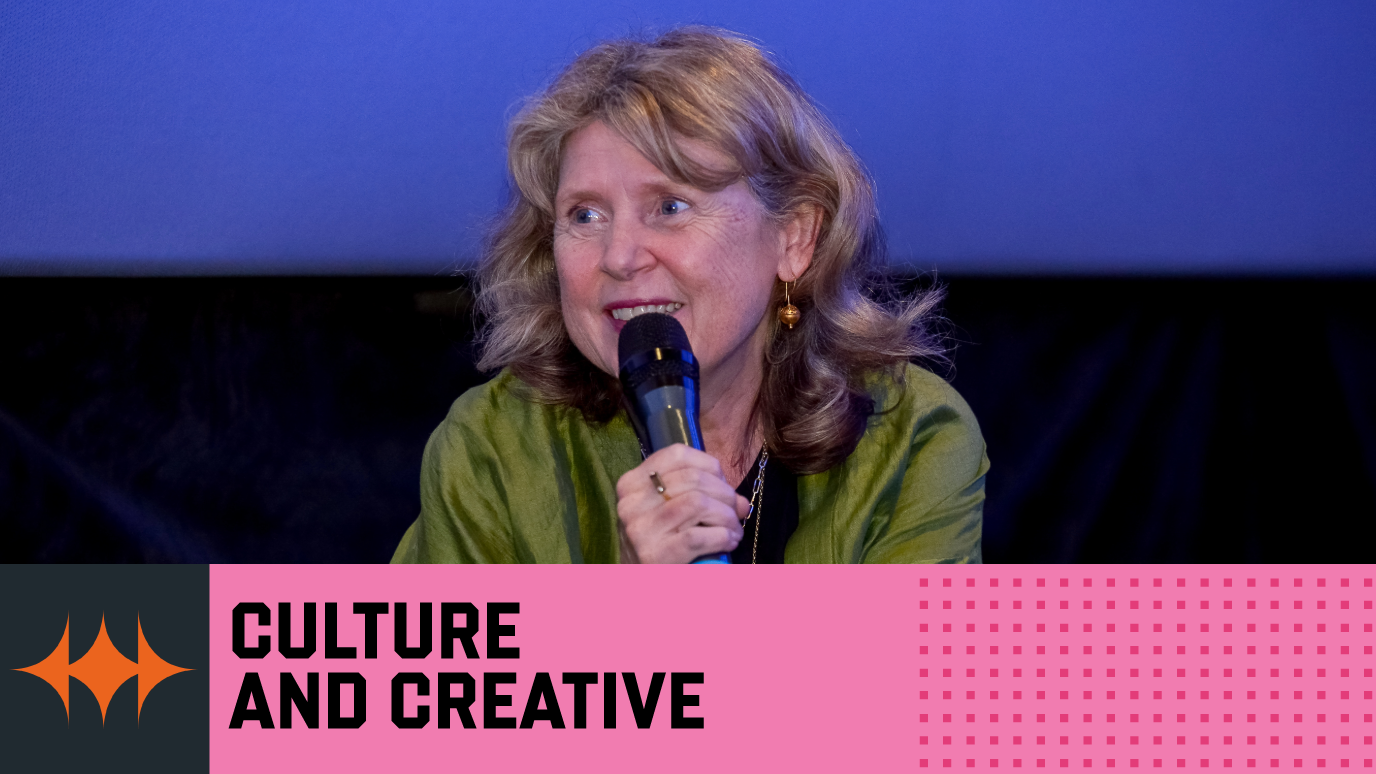
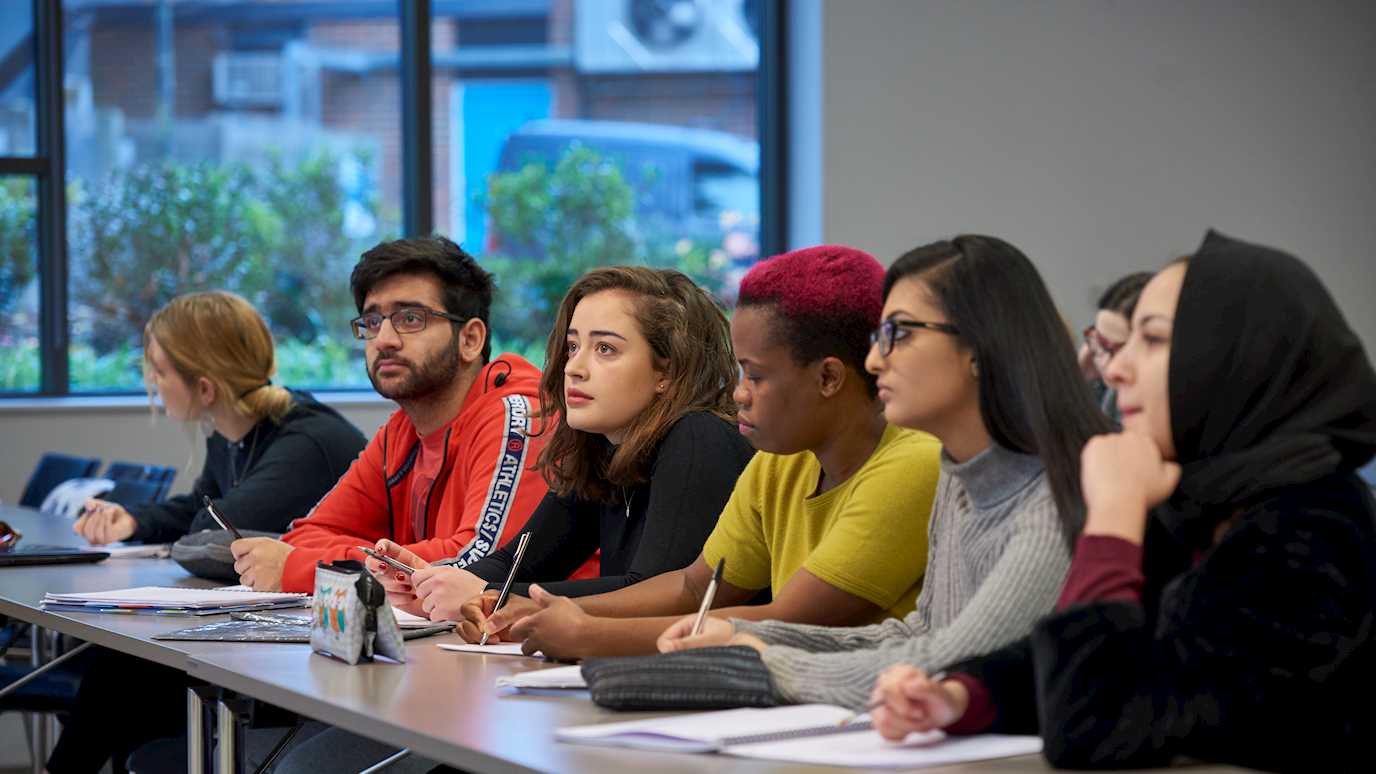
Victoria Mapplebeck answering a question at a screening. Culture and creative banner underneath.
The opening shot of Victoria Mapplebeck’s acclaimed documentary Motherboard is an ultrasound of her unborn son giving the camera a thumbs up. It’s an image that many parents can relate to; usually, the very first picture you see of your child. It’s this relatability and humanity that has captured the hearts and minds of critics and audience members alike.
Named one of the Guardian’s top 50 films of 2025, Motherboard provides an intimate look at parenthood, childhood, and Victoria’s experiences as a survivor of breast cancer. The film combines video diaries and audio recordings from Victoria and her son Jim, covering 20 years of his life from that first thumbs up to giving his mother dating advice. Now, Victoria hopes that by sharing her story and working with cancer support charities, she can help other people going through similar experiences.
From memoir to screen
Despite Victoria’s background as a freelance director, she didn’t immediately think about telling this story as a film. Motherboard began life as a written memoir, but two key projects opened Victoria’s eyes to the potential of smartphone filmmaking. One was a small grant she received to create a short film. This became 160 Characters, which she shot on a smartphone and was based around text messages she exchanged with her son’s father. She followed this with two more short films, The Waiting Room and Missed Call, which won a BAFTA in 2019.
The other source of inspiration was director Sean Baker’s film Tangerine, one of the first feature films shot on a smartphone to gain widespread attention. “I thought it was such an organic thing,” Victoria, who is a Professor of Digital Arts in Media Arts at Royal Holloway, recalls. “A story about the way we use and abuse mobile phones, told through a mobile phone. They’re brilliant tools; accessible, affordable, and they level the playing field.”
Ethics and respecting boundaries
Navigating the ethical issues of telling such a personal story was difficult, but important. “Jim always had the power of veto,” she explains. “From the age of 14, he was part of the editing process. There were some things that were off-limits — his intimate life, his sexuality. Consent is complicated for his generation, and I respected that.” This commitment to transparency and respect gives Motherboard its emotional weight. It’s not just a film, it’s a conversation about boundaries, trust, and the stories we choose to share.
Despite winning awards for her other work, Victoria struggled to secure funding for the documentary. “Stories about motherhood are generally overlooked and undervalued. It’s odd because even if you don't have kids, you've had parents, you've had a mother. It’s something that everyone can relate to, and yet motherhood is still strangely underexplored”.
Critical acclaim and social impact
Motherboard received critical acclaim, with a four-star review from The Guardian calling it “tender, intimate, funny and entirely absorbing.” It was also nominated for a Grierson award, and received three nominations at the British Independent Film Awards in 2025.
Since the documentary’s successful release, Victoria has been working with three charities for cancer awareness; Breast Cancer Now, The Fruit Fly Collective, and Maggie’s. All three charities focus especially on supporting families dealing with cancer diagnoses. It was support that she wished she’d had when having to explain her diagnosis to her son.
“Jim was 14 when I was diagnosed, and I’d become very caught up with the data and the statistics. I regret giving him numbers because at one point he'd misheard it all and thought I had a 50% chance of dying. I wish I’d had better resources to help explain my diagnosis and get him the support he needed.”
Her advocacy now extends to policy, working with MPs and breast cancer charities to improve breast cancer screening uptake. Victoria knows how important mammograms are to an early diagnosis. “I didn't have a lump. I didn't have any symptoms – my cancer was only picked up by a mammogram."
Victoria is also working on another project with the Fruit Fly Collective to empower parents diagnosed with terminal cancer to make smartphone films with their children. The aim of the project is to create an interesting and meaningful way for parents who have a life limiting disease to capture family life and stories for their children’s future.
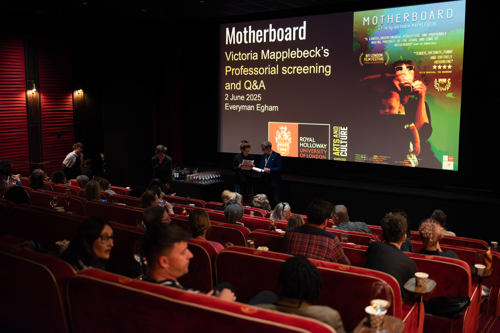
A special screening of Motherboard and a Q&A with Victoria is being held at the Genesis Cinema in Whitechapel on 17 December, Victoria will share her experiences of the challenges parents face when navigating a cancer diagnosis with proceeds going to Breast Cancer Now.
The event is intended to be just part of the story of a much longer campaign for social impact. Victoria hopes that it will help people understand what resources are available to support those diagnosed with breast cancer, and to express some of the frustrations she went through when those resources weren’t available.
“It would be amazing if even one person at the screening thinks, 'I have not had that mammogram, and I should do it’ and then the breast cancer is caught early. That would be an incredible impact.”
Book tickets for the screening and Q&A here.
Return to our Research in Focus page to uncover more exciting research happening at Royal Holloway, University of London.
Research in focus