What makes ordinary people root for criminals? Why do hackers, gangs and even mafias sometimes look like heroes in the public eye?
When do two wrongs make a right?
From high-profile thefts, such as the audacious art heist at the Louvre, to the murder of a health insurance CEO by a gunman allegedly provoked by corporate greed, public reaction to these heinous crimes is often admiration or even support for those who commit them. Why?
This unsettling question is examined by Professor Giovanni Travaglino's latest research 'When do two wrongs make a right?' - a study that delves into the psychology behind our fascination with lawbreakers who target powerful and often corrupt institutions.
“People often say they’re happy when an arrogant person fails an exam – it feels like justice has been done,” Professor Travaglino explains. “We’re studying that same emotion in a political context. When people see hackers or gangs punishing institutions they believe are corrupt, they may feel a similar sense of satisfaction.”

Throughout history, from stories of Robin Hood to hackers exposing corporate secrets, society has long romanticised those who strike against the mighty. Professor Travaglino and his colleagues’ work reveals something about the psychological mechanisms of this process - it’s about emotional gratification. When corrupt institutions fall, many of us feel a surge of satisfaction, even if the act is illegal and dangerous.
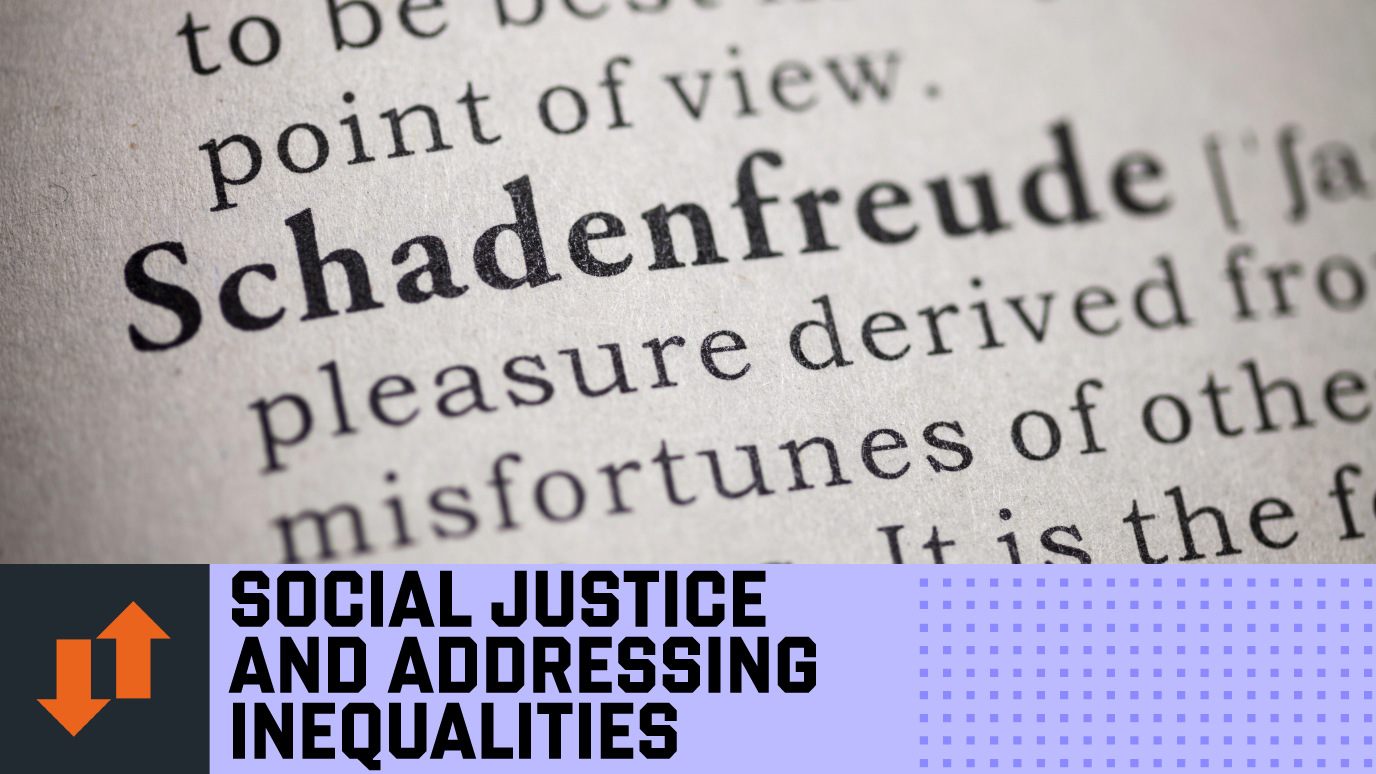
This feeling of joy at a target's misfortune, known as schadenfreude, is at the heart of his research.
Champions of justice?
Professor Travaglino’s studies explore how organised criminal groups and hackers can present themselves as champions of justice, striking back against corrupt institutions.
| “They become the vicarious expression of dissent on behalf of the people,” he explains. “Presenting themselves as the embodiment of justice, even though what they are doing is illegal and damaging to democracy and the rule of law.” |
Behind the research
The research tested whether public support stems from anger and disgust at corrupt institutions or from schadenfreude. The results were clear - gratification wins. People may feel anger and disgust toward a corrupt, powerful institution. Alternatively, they may feel less disgusted and less angry at criminals when their actions target institutions perceived as unjust. However, gratification seems to be the key mechanism driving the legitimisation of the criminal acts over and beyond these other emotions. In fact, people seem to legitimise these acts, even when warned about their harmful consequences.
To uncover these dynamics a series of experiments were conducted:
In-group vs out-group criminals
Participants read scenarios where hackers attacked a British institution guilty of corruption. When the hackers were British, people felt stronger schadenfreude and were more likely to legitimise the act. When the hackers were Russian, support dropped sharply - even though the crime was identical.
Humour and narrative framing
Another experiment tested whether humour amplifies approval. When attacks were described as witty, clever and having a justice motive behind them, participants felt more gratification and legitimised the act more strongly than when the description was neutral.
Highlighting social costs
Perhaps the most surprising finding came when participants were told about the criminals’ other harmful activities like drug trafficking or stealing personal data. Support barely changed. People processed the information but were willing to accept the costs of those actions to see justice being done.

Why does this matter?
This phenomenon isn’t new. History is full of ‘social bandits’ - pirates, mafias, outlaws - who claimed to fight for the common good. But in today’s digital world, social media spreads information faster than ever and amplifies the effect. “We live in a historical moment where there is a strong difference between the powerful and the powerless,” Professor Travaglino states. “When people feel there is a lot of inequality between the super-rich and the everyday person this phenomenon is more accentuated.”
The danger? When crime feels like justice, democracy suffers. Public support for criminal acts erodes trust in legal systems and fuels instability.
Professor Travaglino warns: “If people believe the only way to hold the powerful accountable is through crime, we create a society where violence and illegality gain legitimacy.”
What can be done?
People turn to these narratives when they feel powerless and see no other way to obtain justice. If institutions want to curb support for criminal groups they must create, sustain and restore trust. Open and clear channels for reporting wrongdoings, visible consequences for elites who break the law and fair access to justice could reduce the appeal of vigilante-style crime. Professor Travaglino states that when people feel like they don’t have a voice, they feel powerless, and this is when they start looking to criminals as champions of justice.
“People need to see that the powerful can be punished through legal means,” Professor Travaglino says. “If they don’t, they’ll keep cheering for those who take some version of the law into their own hands.”

Looking ahead
This research is part of the ‘Secret Power’ project, which examines how perceptions of justice shape attitudes toward crime. Professor Travaglino’s next step? Investigating how young people view gangs and organised crime across Italy, UK and Japan. By understanding these attitudes early, the project hopes to inform policies that prevent criminal groups from gaining legitimacy.
Further research from Professor Travaglino on the impact of criminal organisations in the community can be found here.
Return to our Research in Focus page to uncover more exciting research happening at Royal Holloway, University of London.
Research in focus